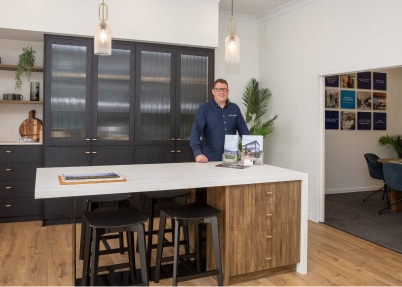





Daniel Wezel Design Builders (Services) Intermediate Architectural Graduate
A well-considered design brief is the foundation of every Design Builders home.
By the time clients sit down with our regional teams, they may already have spent time on their land, considered orientation, views, and how they want life to feel in their future home. Our role at this stage is to listen carefully, ask the right questions, and shape those ideas into a rich, detailed brief that captures how our clients live, what they value, and what matters most. Once the brief is complete, it’s passed to our in-house design team. This is where the brief is interpreted, tested, and transformed into a home that is both functional and personal. We spoke with one of our intermediate architectural graduates to understand how he reads a Design Builders brief, and what he looks for to make the design process smoother, smarter, and deeply personalised. View our design and build process here: link
Understanding Their Process
When you receive a client brief from our regional partners, what’s the first thing you look for? While it might seem a bit contrived, my first focus when opening the brief is the clients’ preferred exterior look and architectural style. Whether that is a gable pavilion, mono-pitch, or contemporary box etc, this distinction is important to the initial direction of the floor plan. I find it best to focus on the form and function simultaneously, because a design that prioritises one or the other often ends up forcing a floor plan that doesn’t flow naturally or an aesthetic that doesn’t complement the style. Following in close-second is the client’s budget, as it’s very important to ensure we are designing something that they can afford. Any tricky discussions or compromises are better to occur early-on in the process for the best design outcome.

Interpreting the Brief
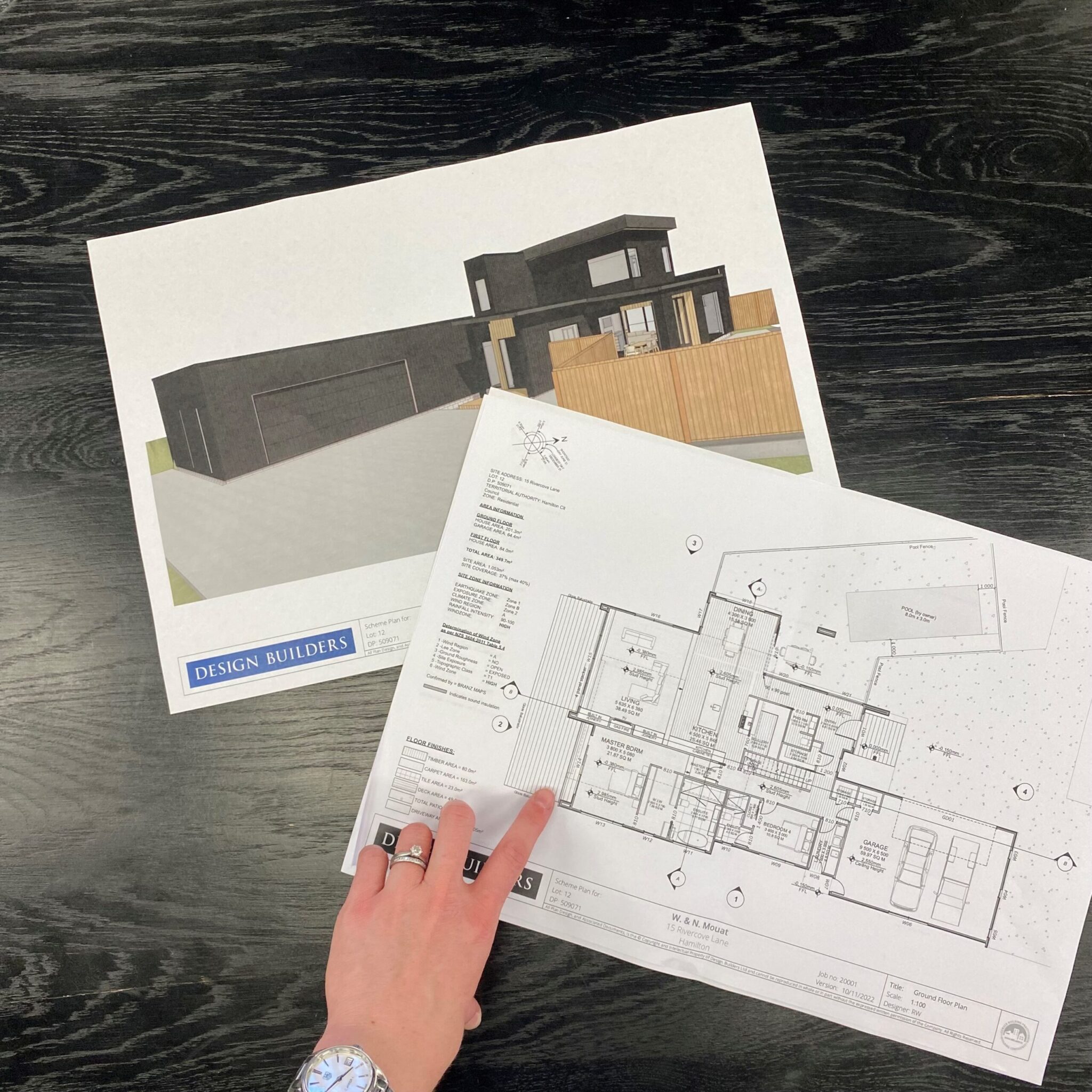
Can you describe how you translate written notes into a spatial idea or design concept? Like many designers in the industry, I use bubble diagrams in the early stages of design to establish flow and form before any walls or roofs are drawn. A bubble diagram is a rough layout of bubbles or boxes representing each of the rooms in the house, based on the written description of these rooms from the design brief. This is an invaluable step in the design process, as it helps to efficiently problem-solve and eliminate several early ideas to hone-in on the one that eventually becomes the final design. From here it’s a lot easier to draw the floor-plan with walls, doors, windows etc with confidence that it is meeting the clients’ brief and including their unique features and requests.
Working With the Site
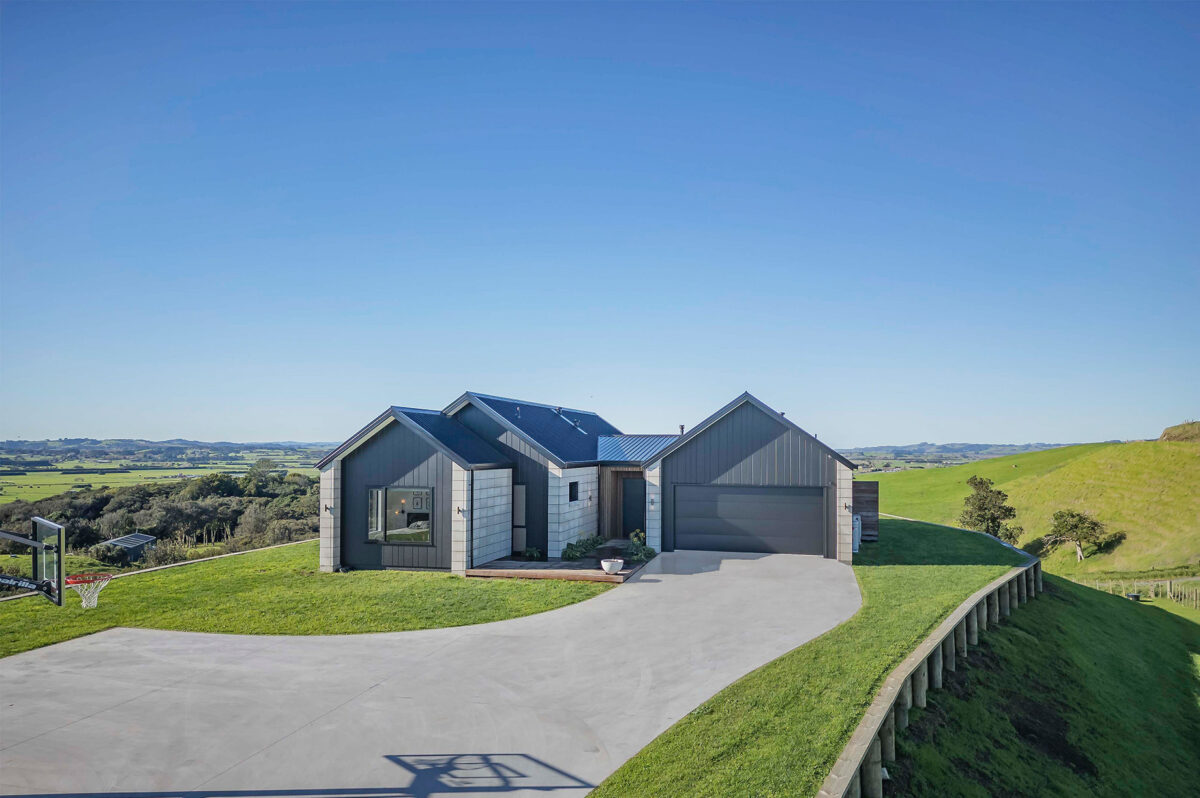
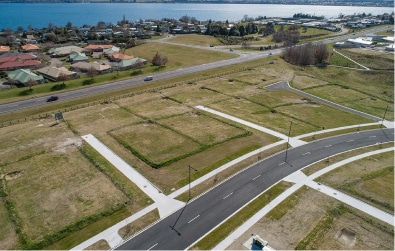
How does the site influence or sometimes override the brief? I’m a firm believer that you can’t design a house without a site. The topography, views, aspect and surroundings all play a huge part in shaping the design of a home. Oftentimes, the design brief is written without the clients fully understanding the constraints of their site, so it is pretty common for these restrictions to override the brief. Coming up with creative solutions that still achieve the clients’ fundamental desires can be a satisfying challenge, one that often results in an interesting design that would otherwise not have come to fruition. The best architecture often comes from the greatest constraints.
Design Thinking
How do you ensure flow, sun, privacy, and function all work together? For me, designing a home is a fragile balance of creativity and problem-solving. As already mentioned, the bubble diagrams are a fantastic problem-solving tool to test ideas and see how everything is working together when compared with the brief. Once I know the floor plan is working functionally with great flow, then I can move into the 3D space and double-check sun angles and sight-lines for views and privacy. Creativity can both aid the problem-solving and build upon the fundamental functions of the home to create the final form. I’m fortunate to have been doing this long enough now to know when a design feels coherent, and when it still needs work. More often than not, I won’t know whether a design will work until I try it.
Communication & Collaboration
What information do you wish you and the clients understood better before starting the design process? Clients need to understand that in most cases they won’t know exactly what they want until they see it. This is important to know before writing the brief, because it underlines the fact that designers don’t need ultra-specific details to achieve the ideal result for the client. Of course there are exceptions to this, but typically some level of flexibility in the design brief allows the fundamental desires and requirements to be met without getting trapped into one line of thinking. For myself, understanding how a client likes to live in their home is massively important to the development of the design. Where do they tend to eat their meals? Do they entertain guests around the breakfast bar, or the formal lounge? Do they wish to have the children’s rooms close or as far away as possible? Is morning sun or evening sun preferred? Asking a client to give a run-down of their life in their current home can help me understand how best to design their new home.
Personality & Professional Insight
What design trends do you see clients asking for that improve liveability? The addition of multi-use spaces, while not a new idea, is becoming more and more relevant for future-proofing and cost-effective design. We often see this in the form of a fourth bedroom which can also be used as a second-lounge depending on the specific requirements at the time. The key to the success of this space and it’s impact on liveability is balancing the proximity to both the central living areas and the other bedrooms/bathroom without compromising privacy in either use. Another trend which has been emerging in my designs but not necessarily requested is an internal courtyard – I love them. The internal courtyard is a really effective way to introduce more natural light and ventilation into a home without sacrificing privacy. This is particularly useful on tight suburban sections with close neighbours, because the courtyard can function as an outdoor living area, or a cozy garden outlook without any risk of nosy onlookers.
Every Design Builders home starts with a brief, a careful understanding of how you live, what you value, and how you want your home to feel. It’s the foundation for a home that’s truly built around you.
Ready to start your own journey? Connect with your local Design Builders team today, and let’s turn your ideas into a home you’ll love.