


In an article earlier this year, we asked a couple of team members from our in-house design team about the trends we saw in 2024 and what would continue to influence design as we move into 2025. One of the strongest themes was the shift toward designing and building for multiple generations.
Dan shared his insights: “In 2024, we saw a clear shift toward homes being designed with future generations in mind. Clients were focused on ensuring their homes are adaptable for aging family members, with many requesting wheelchair-accessible spaces and, in some cases, the addition of lifts. With multi-generational living becoming more common due to the rising cost of living, there was a noticeable demand for multiple master bedrooms or single bedrooms with ensuites, offering both comfort and privacy.” Read the full article here.
This shift reflects a wider trend: homeowners are looking beyond the immediate and thinking about how their homes will function over the next 10, 20, or even 30 years. A well-designed home should evolve with the people who live in it. The way we use our spaces naturally changes as life does, children grow up, careers change, family structures shift, and daily routines adapt. Designing with flexibility in mind ensures your home can move with you rather than restrict you.


At Design Builders, we can design your home with this long-term thinking in mind, if that’s what you’re aiming for. We explore how your lifestyle might change and what your priorities could look like in years to come.
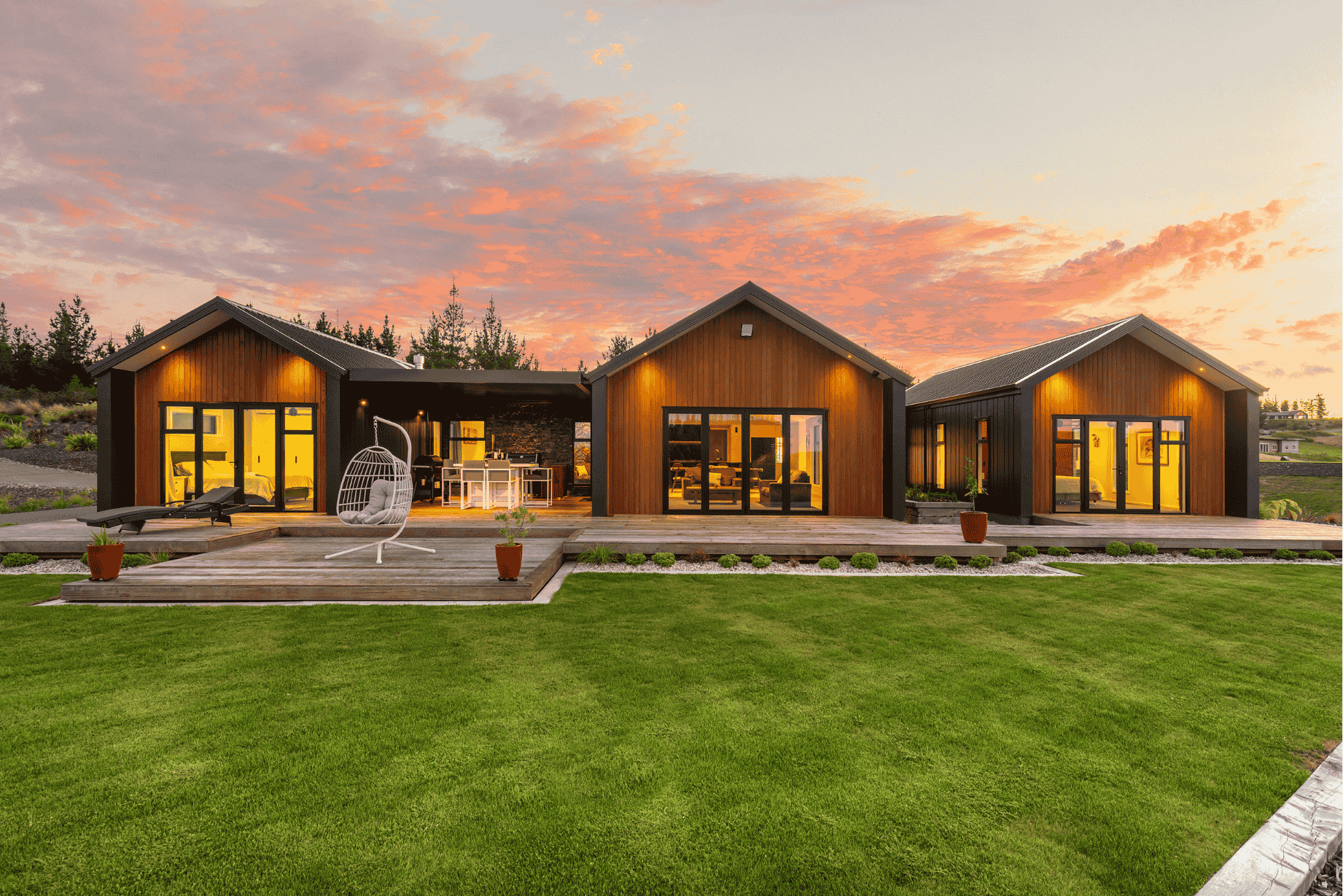
For younger families, an adaptable layout could involve two bedrooms on their own wing along with a private lounge and bathroom. With space allocated for a future kitchenette, this zone can work perfectly for teenagers now and then transition into a self-contained Airbnb or guest suite later on.
Compact or sloped sites provide another design challenge. When the only option is to build upwards, planning for the inclusion of a lift, either installed immediately or designed for future placement, ensures the home remains accessible for all ages and abilities.
For those considering multi-generational living, flexibility can mean designing two connected homes that allow older family members to live close by while maintaining privacy. These might share an entry or courtyard but still function as independent dwellings. Similarly, some clients choose to create two complementary homes on the same section, one serving as the primary residence and the other supporting extended whānau, guests, or rental income. Even adding a smaller home or minor dwelling to the site can offer long-term versatility, evolving from a studio or hobby space to a future home for ageing parents or adult children.
Designing for adaptability isn’t about building bigger; it’s about building smarter. Flexible spaces retain their flow and aesthetic, no matter how their purpose changes. Thoughtful storage, movable furniture, and clever zoning allow a home to shift between functions effortlessly. Even finer details, such as lighting and orientation, influence how well a home works at different times of the day and through different stages of life.
As multi-generational living becomes more common across NZ, this type of thoughtful planning becomes even more important. Families want homes that feel comfortable and accessible for everyone, whether that’s ageing parents moving in, adult children returning home, or simply having the space for whānau to stay often.
A home that grows with you doesn’t just meet your needs today. It becomes an investment in long-term comfort, functionality, and liveability. This is the essence of a bespoke build: creating a home that fits you now while remaining ready for whatever life brings next.
At Design Builders, every home begins with your story and your brief. We work with you to design spaces that adapt, evolve, and continue to feel perfectly suited to your lifestyle, no matter how it changes.
Talk to our team about designing a home that grows with you.